Dating Apps for Disabled People in the UK

An honest look at which platforms actually work for disabled singles across Britain

By DisabilityMatch · Published 12 March 2026

Finding love through dating apps can be rewarding, but it shouldn't mean compromising on accessibility or comfort. If you're a disabled person looking to date in the UK, you have more options than you might think. The dating app landscape has evolved significantly, with both mainstream platforms and specialist sites recognising the need to serve disabled users well.

Whether you're newly single and exploring apps for the first time, or you've had mixed experiences with mainstream platforms, this guide covers the apps actually available to disabled people in the UK right now. We'll look at what makes an app accessible, which mainstream apps offer genuine support for disabled users, and where you might find more tailored spaces designed with disability in mind.

What Accessibility Features Matter Most in a Dating App?

Before looking at specific apps, it's worth thinking about what accessibility features actually matter for your dating life. The features you need might differ significantly from what matters to someone else, so there's no one-size-fits-all answer.

Screen reader compatibility is essential for blind and partially sighted users. This means the app's interface needs to work properly with voice assistants and screen reading software. Many dating apps fail at this basic level, which is frustrating and unnecessarily limiting.

Colour contrast and readable fonts matter too. Some apps use light grey text on lighter backgrounds that can be nearly impossible to read for people with low vision or colour blindness. You shouldn't have to strain to see whether someone has matched with you or messaged you.

For many deaf and hard of hearing users, video call accessibility is crucial. This means the app should support captions during video dates, which is increasingly available but still not universal. Similarly, the ability to add information about communication preferences directly in your profile can save time and awkwardness later.

Mobility considerations matter too. Apps need responsive design that works well on phones you might be using with one hand, and they shouldn't require fiddly gestures you can't perform. Some apps now offer keyboard navigation options that make the whole experience easier if you have reduced dexterity.

Finally, think about whether you want an app that lets you disclose your disability or health conditions upfront, or whether you prefer apps where you can mention these things when you feel comfortable. Different people have different preferences, and no single approach is right for everyone.

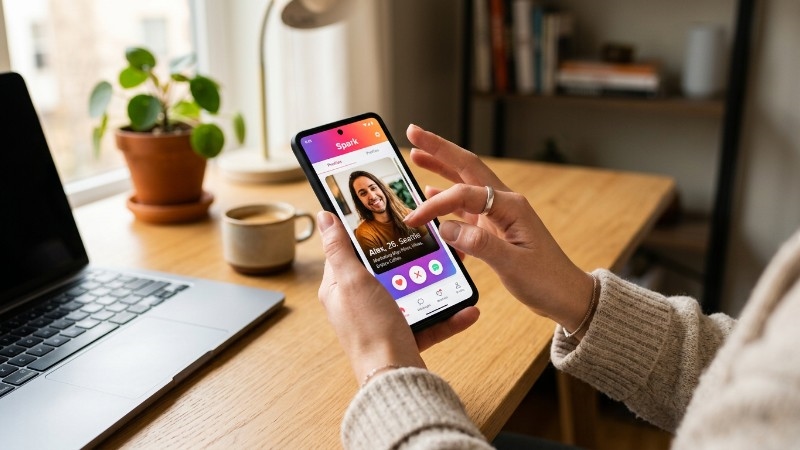
Person browsing dating apps on a smartphone

Mainstream Dating Apps With Strong Accessibility

You might assume that mainstream apps won't cater well to disabled users. In reality, several of the largest platforms have made genuine efforts on accessibility, though some are certainly better than others.

Hinge, which bills itself as the app "designed to be deleted" because you're meant to find someone and leave, has invested notably in accessibility features. The app works reasonably well with screen readers, and you can add details about your accessibility needs or chronic health in your profile. Many disabled users report positive experiences with Hinge because the focus is less on quick swiping and more on substantive connections, which often suits disabled daters who appreciate depth over volume.

Bumble has also made accessibility improvements in recent years. As the app where women make the first move, it already encourages a different dating dynamic that some disabled users find more comfortable. The app's interface is fairly straightforward, and it's accessible enough for most screen reader users, though some features could be better implemented. You can be clear about what you're looking for and what matters to you, which helps disabled users set expectations early.

Tinder, despite being the biggest dating app globally, has had mixed accessibility reviews. The core swiping mechanism is simple enough that many users find it manageable, and you can include information about yourself in your bio. However, screen reader support isn't perfect, and some disabled users find the rapid-fire nature of the app exhausting rather than enjoyable. It's worth trying if you haven't already, but don't be discouraged if you find it frustrating.

Match and OkCupid offer more detailed profile options where you can share as much or as little about your disability as you wish. These apps tend to attract users looking for something more serious than quick hookups, and the emphasis on detailed profiles and compatibility questions means you can filter for people with compatible values around disability, health, and accessibility before you even match. Some disabled people find this approach reduces unwanted messages and awkward conversations.

Friends at a restaurant laughing and chatting about dating

Disability-Specific Dating Platforms

If mainstream apps haven't felt right, disability-specific dating platforms exist precisely because they understand the unique needs of disabled daters in ways that mainstream apps sometimes miss.

Some disability-specific apps in the UK market focus on particular communities, such as apps for deaf users or for people with specific conditions. Others take a broader approach and welcome anyone with any disability. The advantage of these platforms is that everyone using them understands that disability is involved, so you never have to explain what it means when you mention your access needs or take longer to reply to messages because of fatigue.

Many disability-specific apps also allow you to be explicit about what you're looking for in terms of accessibility support. You might be looking for someone who already understands chronic illness, or someone who can be flexible about spontaneous changes to plans, or someone who's comfortable with personal care assistance. These platforms let you state these things without it feeling like a barrier or burden, because everyone on the app recognises that compatibility involves accessibility considerations.

The trade-off with smaller, specialist platforms is usually that the user base is smaller than Tinder or Bumble. This means you might have fewer potential matches in your area, though the quality of matches is often higher precisely because people are there for serious connections with others who understand their situation.

What About Safety and Verification?

Safety matters for all dating app users, but disabled people sometimes face particular risks. You might worry about being targeted by people with a fetishisation of disability, or about meeting someone who becomes aggressive when they encounter your disability in person, or simply about the vulnerability involved in dating when you have mobility limitations or need certain accommodations.

Most mainstream dating apps now offer photo verification to reduce catfishing and increase safety. Some apps also have community reporting features that let you flag inappropriate behaviour. Read the safety information on each app to understand what's available and how the company handles reports.

With disability-specific apps, safety standards vary. Before choosing an app, check whether it offers verification features, has clear community guidelines, and responds promptly to safety concerns. Don't assume that a smaller app is less safe, but do check their actual policies before signing up.

Beyond the app's features, your own safety decisions matter most. Never feel pressured to disclose your disability if you're not comfortable. Tell a trusted friend who you're meeting and where. Video chat before meeting in person if that feels safer. Trust your instincts, and don't continue talking to someone who makes you feel uncomfortable just because you're worried about being alone.

Choosing the Right App for You

The right dating app is the one that feels comfortable for you specifically, and there's no shame in trying several apps or switching between them depending on what you're looking for.

If you prefer mainstream apps, start with whichever feels most accessible to you personally. If swiping frustrates you, try Hinge or Match instead of Tinder. If you want women to make the first move and you're interested in that dynamic, Bumble might suit you better. If detailed profiles and compatibility questions appeal to you, OkCupid offers substantial scope for expressing who you are.

If you've tried mainstream apps without success, or if you found the experience exhausting or uncomfortable, disability-specific apps might be worth exploring. Some people find they have better conversations and feel more understood on these platforms. Others use both mainstream and specialist apps simultaneously, depending on their mood and what they're looking for.

There's also nothing wrong with taking breaks from dating apps. If swiping feels draining, step back for a few weeks. If you're getting predominantly unwanted attention, pause and come back later. Dating apps should feel like they're working for you, not against you.

Getting Started

When you're ready to try an app, start by choosing one and committing to it for a reasonable period, perhaps a few weeks. Write a bio that's honest about who you are. You don't need to lead with your disability, but do include whatever you feel comfortable sharing. Some people mention health considerations; others simply indicate what they're looking for in a partner. There's no single right approach.

Don't worry if your first messages or early conversations feel awkward. That's normal for everyone on dating apps, disabled or not. It often takes a few conversations to find people who click with you.

Keep Reading

How to Write a Dating Profile with a Disability - Tips for disclosure, authenticity, and connecting with the right matches on disability dating sites.

← Back to Blog


If you've tried mainstream apps and they haven't worked out, consider whether a disability-specific app might suit you better. If DisabilityMatch hasn't worked yet, try combining it with another approach: a mainstream app for different options, or a disability-specific platform with a different focus than DisabilityMatch. Some people have success using multiple apps simultaneously.

Remember that dating apps are just tools. They can work brilliantly for some people and not at all for others. If you find one that suits you, great. If you try several apps and none feel right, that's not a reflection on you. Some people find partners through apps; others meet through mutual friends, communities, or by chance. All of these routes are valid.

Join